The best ASRS compliance software for spend-based emissions accounting maps large volumes of procurement and financial data to accurate emission factors, records how each figure was derived, and lets you replace estimates with supplier data over time. Spend-based accounting is how most reporters get their first full Scope 3 picture, so the software has to treat it as an auditable calculation.
The Australian Sustainability Reporting Standards (ASRS), built on AASB S2, make climate disclosure mandatory and subject to external assurance. Scope 3 is required from each reporting group's second year, and for most companies the starting point for Scope 3 is spend. That puts spend-based accounting directly in scope for audit, and it sets the bar for the software you choose.
Key takeaways
- Spend-based accounting estimates emissions from the dollar value of a transaction, and it is the practical starting point for Scope 3 under ASRS.
- Because ASRS disclosures are audited, spend-based figures need the same traceability as financial data, from source transaction to final number.
- The strongest platforms map spend to accurate, region-specific emission factors and let teams upgrade to activity-based data supplier by supplier.
- Avarni automates spend-based calculations across Scope 3, applies factors from a library of more than 65,000, and builds the audit trail in from the start.
Why spend-based accounting matters under ASRS
Spend-based accounting multiplies a financial value by an emission factor to estimate the emissions behind each purchase. It gives broad coverage quickly, which is why finance teams use it to build a first complete inventory across thousands of suppliers and categories.
Under ASRS, that first inventory carries real weight. Scope 3 sits in the annual report alongside financial information and faces the same assurance process. A spend-based number that cannot be traced back to the underlying transaction and factor becomes a governance gap the CFO has to explain. The method is accepted, and the requirement is that it holds up under audit.
What spend-based accounting demands from your software
Spend-based reporting runs on the finance data you already hold, so the software has to handle that data at scale. General ledger extracts and accounts payable files run to hundreds of thousands, or even millions of lines, and each line needs to be classified to a spend category and matched to a factor. Doing this in a spreadsheet ties the result to one person and one fragile model.
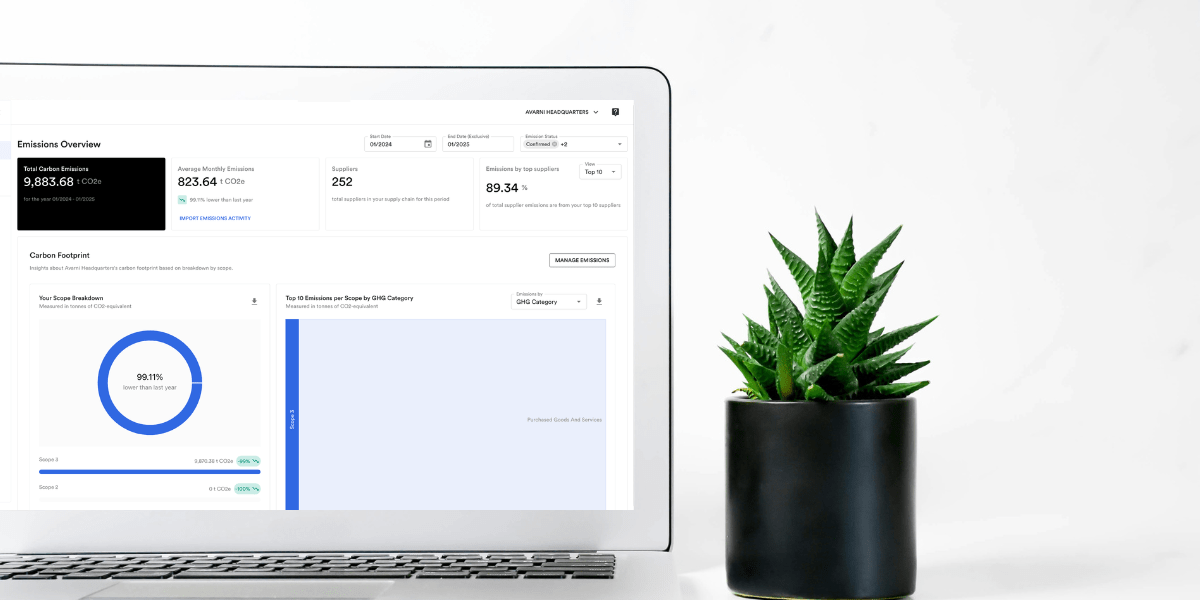
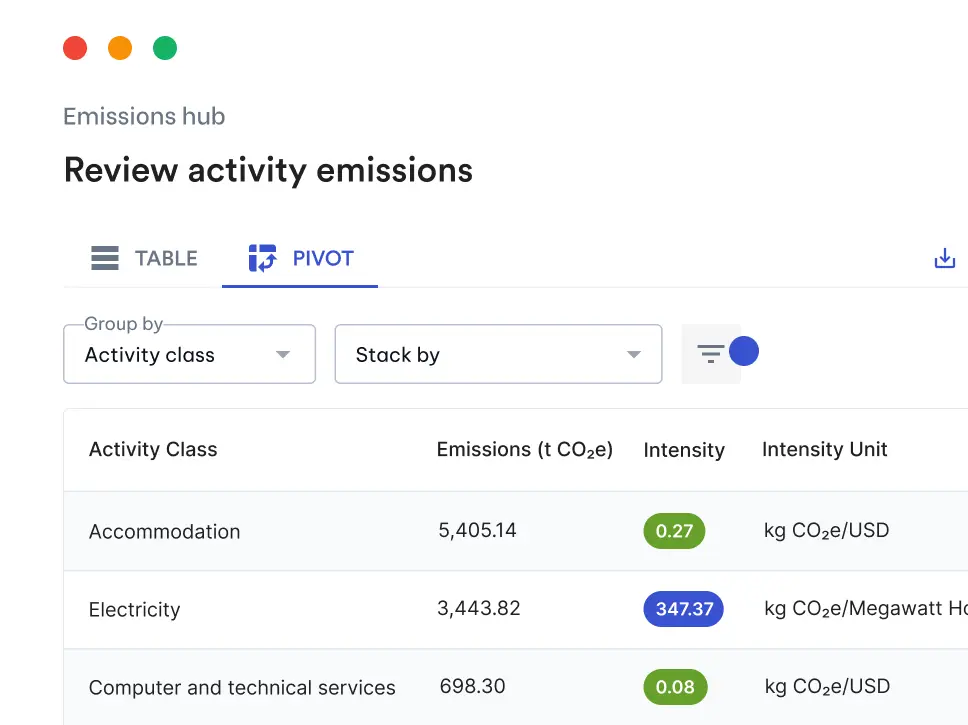
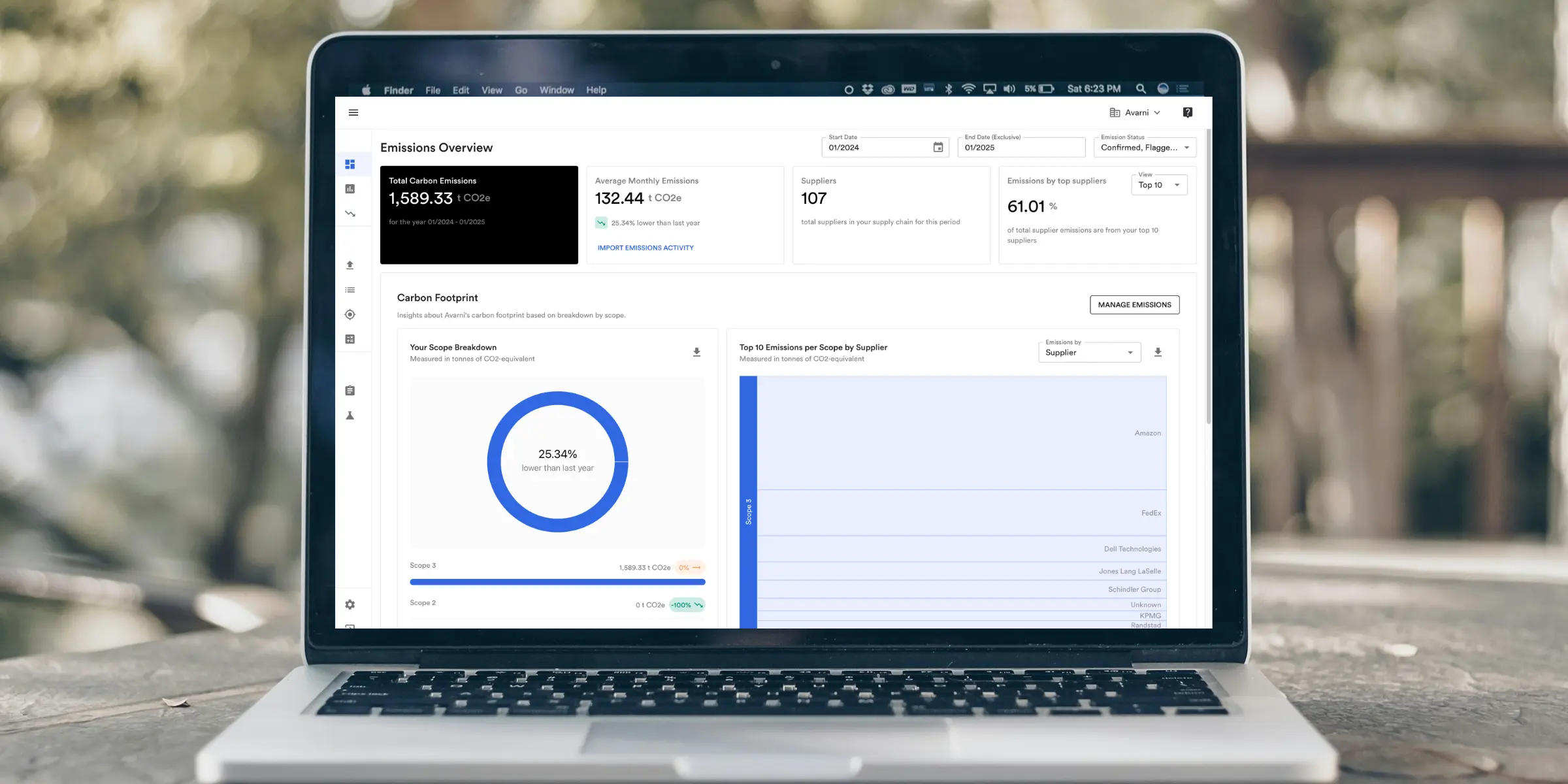
Purpose-built software automates the classification, applies the correct factor, and keeps the working. Look for automated mapping of transactions to GHG Protocol scopes and categories, a transparent calculation for every line, and the ability to rerun the whole inventory when data changes. Avarni uses AI to automate emissions calculations for Scope 1 to 3, extract invoice and financial data, and classify spend without manual sorting.
Matching spend to accurate emission factors
The quality of a spend-based inventory depends on the factors behind it. A generic global factor applied to Australian spend produces a number that is easy to challenge. Region-specific and up-to-date factors produce a number that stands.
The best platforms hold a broad, maintained factor library and apply the right factor to each category automatically. Avarni draws on more than 65,000 emission factors and applies regional factors to improve accuracy and verifiability. That breadth matters most in Scope 3, where categories range across freight, capital goods, purchased services and materials, each with its own factor logic.
Audit readiness for spend-based figures
Spend-based figures attract scrutiny precisely because they are estimates, so the evidence trail is what makes them defensible. Assurance providers need to follow each figure from the source transaction, through the category it was assigned, to the factor that was applied. Manual handling is hard to evidence and is where most reporting risk sits.
Avarni builds audit evidence into the reporting process from the start. Classification rules record why each category was chosen, and calculation breakdowns trace every figure back to source data. To date, every Avarni client submission has cleared external assurance on the first attempt, which is the clearest signal that a spend-based trail can satisfy an auditor.
Upgrading from spend-based to activity-based data
Spend-based accounting is the starting point, and good software makes the next step easy. Activity-based data uses real quantities, such as litres of fuel or kilowatt-hours of electricity, matched to specific factors, and it produces more accurate and more defensible results. The practical approach is a hybrid: activity data where you have it, spend-based estimates to fill the gaps.
Avarni combines both methods in one platform. Supplier engagement tools collect activity-based data directly from priority suppliers, and spend-based estimates cover the rest until that data arrives. This lets teams target effort at the suppliers that matter most and improve data quality year on year without rebuilding the inventory each time. Forecasting tools then model reduction pathways against Australia's interim and net-zero targets.
Integrations and scale
Spend-based accounting is only as easy as the data flow behind it. A platform that connects to your finance and procurement systems keeps spend data moving without manual exports and removes a common source of error. Avarni integrates with more than 1,000 enterprise systems, including SAP, NetSuite, Xero, Microsoft Dynamics 365, Workday and Power BI, and is built to handle datasets running to millions of rows. That headroom keeps the same platform working as reporting groups expand and Scope 3 boundaries widen.
Frequently asked questions
What is spend-based emissions accounting?
Spend-based accounting estimates emissions by multiplying the financial value of a purchase by an emission factor for that category. It gives fast, broad coverage across a supply chain and is the usual starting point for Scope 3 reporting.
Is spend-based data acceptable under ASRS?
Yes. ASRS and the GHG Protocol accept spend-based estimates, particularly where activity data is not yet available. The figures are subject to assurance, so they need a clear trail from source transaction to final number.
What makes ASRS software good for spend-based accounting?
Look for automated classification of finance data, a broad and current emission factor library, region-specific factors, high performance across hundreds of thousands of transactions, a transparent calculation for every line, and a straightforward path to upgrade categories to activity-based data.
How do you improve on spend-based estimates?
Engage priority suppliers for primary, activity-based data and replace estimates category by category. A platform that supports both methods lets you raise data quality over time without rebuilding the inventory.
Summary
- Why spend-based accounting matters under ASRS: Spend-based accounting is the practical start of Scope 3, and under ASRS those figures are audited, so they need full traceability.
- What spend-based accounting demands from your software: The software must classify large volumes of finance data automatically and keep a transparent calculation for every line. Avarni automates this across Scope 1 to 3.
- Matching spend to accurate emission factors: Region-specific, maintained factors make a spend-based number defensible. Avarni applies the right factor from a library of more than 65,000.
- Audit readiness for spend-based figures: Estimates need an evidence trail from transaction to factor. Avarni builds this in, and every client submission has cleared assurance on the first attempt.
- Upgrading from spend-based to activity-based data: A hybrid approach improves accuracy over time. Avarni combines both methods and collects supplier data through built-in engagement tools.
- Integrations and scale: Connected finance and procurement data removes manual effort and error. Avarni integrates with 1,000+ systems and handles millions of rows.