Carbon accounting can be time-consuming, especially when done manually. While Avarni simplifies this process, we know many still rely on spreadsheets. This article offers guidance, and you can also explore our comprehensive list of global emission factor databases to find the data you need in one place.
One of the most significant challenges organisations face is managing emissions across their supply chains. For many businesses, the majority of greenhouse gas emissions fall under Scope 3, particularly those associated with purchased goods and services. Accurately calculating product-specific carbon footprints from suppliers is critical for understanding and reducing these emissions.
This article outlines a step-by-step approach to collecting accurate product carbon footprints from suppliers. By focusing on product-specific data, organisations can gain more precise insights into supply chain emissions and enable more effective decarbonisation efforts.
Why product-specific data matters
Collecting product-specific carbon data from suppliers provides a more accurate and actionable understanding of emissions than relying on industry averages or supplier-level emissions. This granularity is essential for:
- Improving accuracy: Product-level data reflects the true carbon intensity of the goods your company is purchasing, rather than spreading a supplier’s overall emissions across itsentire output.
- Driving targeted action: When you know which products or components have the highest carbon footprints, you can make informed decisions to optimise your supply chain or work with suppliers to reduce emissions.
- Meeting reporting standards: Increasingly, regulations like the European Union’s Corporate Sustainability Reporting Directive (CSRD) and frameworks such as the Greenhouse Gas Protocol require more detailed Scope 3 reporting, including product-specific emissions.
By gathering product-level data from suppliers, you position them for long-term success in emissions reduction.
Prioritize key suppliers and products
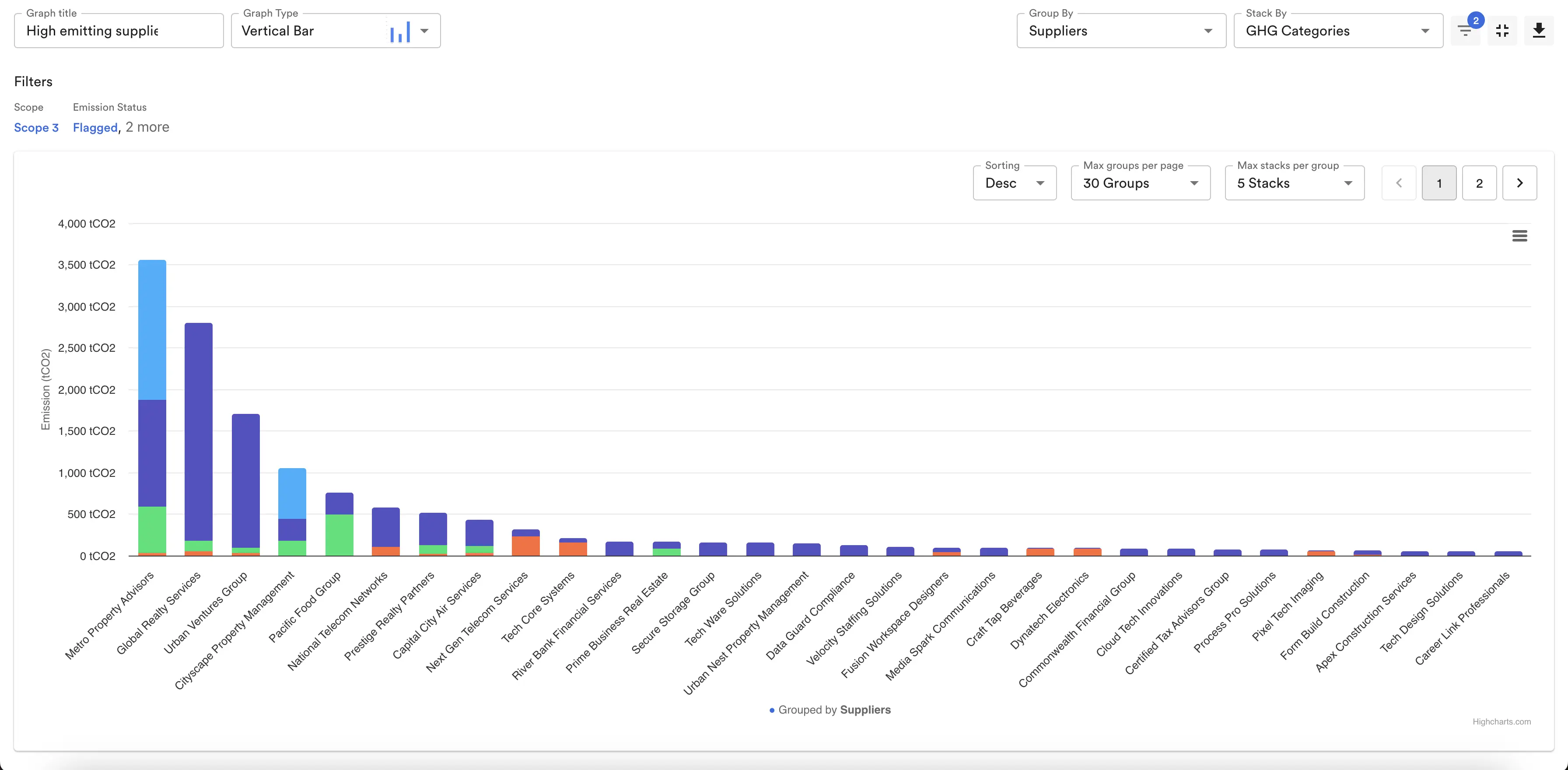
Not all suppliers and products contribute equally to your company's emissions profile. Begin by identifying which suppliers and product categories have the highest impact. This will allow you to focus your data collection efforts where they will be most effective.
- High-impact suppliers: Use existing spend-based or industry-average data to identify the suppliers that likely contribute the most to your company's carbon footprint. These are typically suppliers that provide raw materials, energy-intensive components, or transportation services.
- Material product categories: Determine which product categories or components are responsible for the bulk of emissions. For example, raw materials like metals or plastics often have higher emissions than office supplies or services.
Once you’ve prioritized suppliers and products, you can focus on gathering detailed data from the most significant contributors to your company's emissions.
Request product-level data
The next step is to collect product-specific data from suppliers. This can be challenging, as suppliers may not have this information readily available or may be hesitant to share it. Clear, well-scoped data requests can help strike a balance between gathering meaningful information and avoiding unnecessary burden on suppliers.
Here’s what you should request:
- Bill of Materials (BOM): Ask suppliers for a detailed breakdown of the materials and components that make up the product. Each material should include information such as weight or volume, and the location of origin.
- Energy use during production: Request data on the energy consumption involved in manufacturing the product. This should include electricity, natural gas, or any other fuels used in the production process, broken down by specific steps (e.g. assembly, moulding, packaging).
- Transportation details: Ask for data on how raw materials and finished products are transported, including the mode of transport (e.g. air, sea, road) and distances traveled.
- Waste and by-products: If applicable, ask suppliers about any waste generated during the production process and how it is disposed of (e.g. landfill, recycling).
It’s important to use standardised templates for data collection. This ensures that you can aggregate and compare data from multiple suppliers, streamlining the calculation process. Consider using templates aligned with frameworks like the GHG Protocol’s Scope 3 Data Collection Guidance.
Apply product-specific emission factors
Once you have collected the raw data from suppliers, you’ll need to apply emission factors to calculate the product-specific carbon footprints.
For accurate product-level calculations, use product-specific emission factors from trusted databases. Here are the key types of emission factors you’ll need:
- Material emission factors: Use factors that represent the full lifecycle emissions of materials used in the product, including extraction, processing, and transportation. For example, databases like ecoinvent or DEFRA provide factors for common materials like steel, aluminum, plastics, and textiles.
- Process emission factors: If energy data for production processes is unavailable, you can use process-based emission factors. These cover specific manufacturing processes (e.g. casting, injection moulding) and are available in databases like GaBi or the GHG Protocol’s tools.
- Energy and transportation factors: Apply region-specific emission factors for energy use (e.g. electricity grids, natural gas) and transportation modes (e.g. sea freight, air freight). These factors can be sourced from databases like EPA’s eGRID or DEFRA’s transport factors.
Ensuring that the emission factors match the specific region and timeframe of the supplier’s activities is crucial for accurate results. For instance, the carbon intensity of electricity grids varies significantly across regions and years, so using a local emission factor will give a more precise footprint.
Allocate emissions to the product
With the raw data and emission factors in hand, the next step is to allocate the emissions to the specific products your company is purchasing. This is where product-specific calculations differ from general corporate emissions accounting.
You can allocate emissions using one of the following methods:
- By production volume: If the supplier produces multiple products on the same production line, you can allocate emissions based on the proportion of the production volume that your company's product represents.
- By product weight: For more granular allocation, use the weight of the product relative to the total output of the production process. For example, if the product weighs 500 grams and the total production batch is 5,000 kilograms, allocate a proportional share of the emissions to the product.
- Process-specific allocation: If certain products require more energy-intensive processes, such as specialized treatments or additional assembly, allocate emissions based on the energy intensity of these processes.
For transportation emissions, allocate based on the weight or volume of the product within the total shipment. For example, if a truck delivers multiple products, emissions can be divided proportionally based on the share of the total cargo weight that the product represents.
Review, refine, and collaborate
Once product-specific carbon footprints have been calculated, review the results to ensure they align with your company's sustainability goals. Identify areas where emissions are particularly high, and work with both your company and your suppliers to explore potential reductions.
Here are a few ways to engage suppliers in emissions reduction:
- Collaboration: Encourage suppliers to decarbonise their processes, such as switching to renewable energy, reducing waste, or optimizing transportation routes.
- Incentives: Your company can offer incentives like long-term contracts or preferred supplier status to those suppliers that demonstrate progress in reducing their carbon footprint.
- Ongoing data collection: Set up a process for collecting product-specific carbon data on a regular basis. This helps track progress and ensures continuous improvement.
Summary of steps
To calculate product-specific carbon footprints from suppliers, follow these key steps:
- Prioritise suppliers and products: Focus on high-impact suppliers and product categories that contribute the most to your company's emissions.
- Collect product-specific data: Request detailed data on materials, energy use, and transportation for the specific products your company purchases.
- Apply emission factors: Use databases like ecoinvent or DEFRA to apply accurate emission factors tailored to the product's materials and production processes.
- Allocate emissions: Distribute emissions based on the product’s weight, production volume, or specific processes used.
- Collaborate with suppliers: Review the results, identify opportunities for reductions, and set up ongoing data collection for continuous improvement.
Run supplier engagement programs with confidence
Want to ensure that your supplier engagement program is free from data entry errors, and stays on-track? With Avarni’s supplier engagement tools, you can:
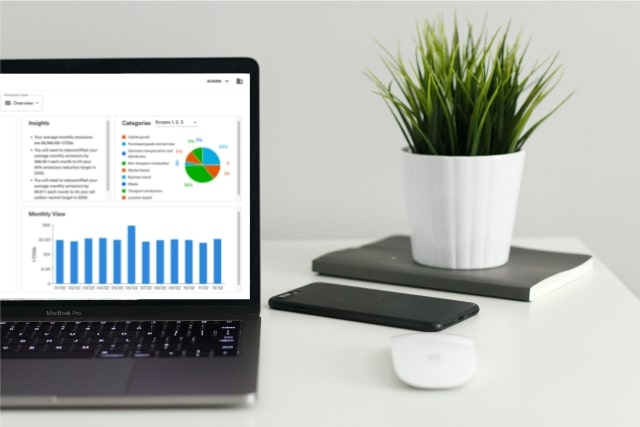
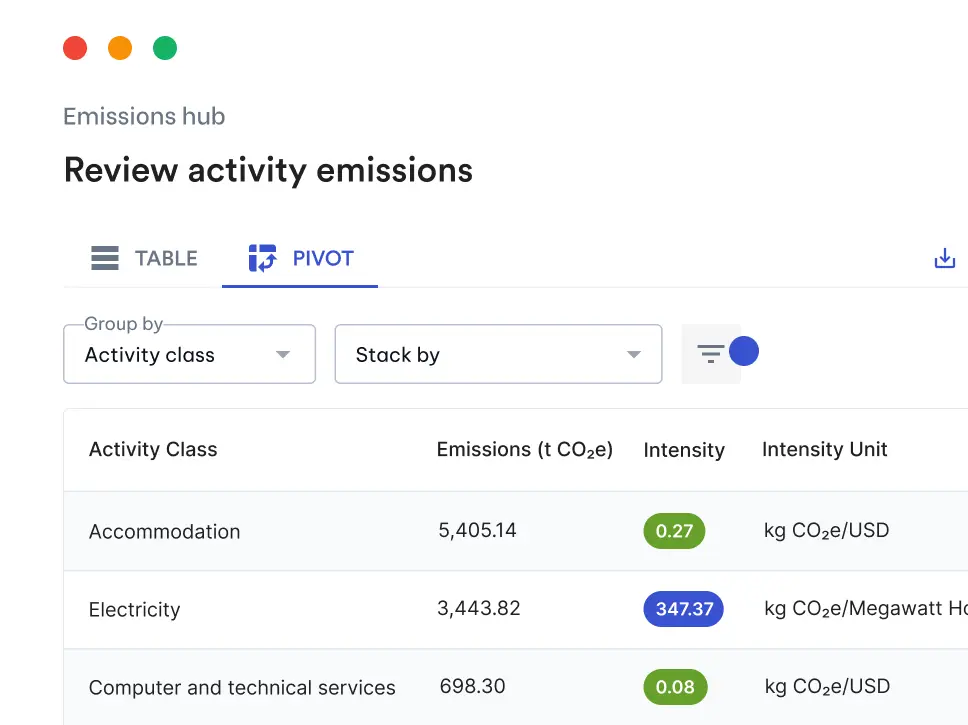
- Quickly build an accurate, fully transparent spend-based or activity-based Scope 3 emissions baseline using AI, and an emission factor database of your choice.
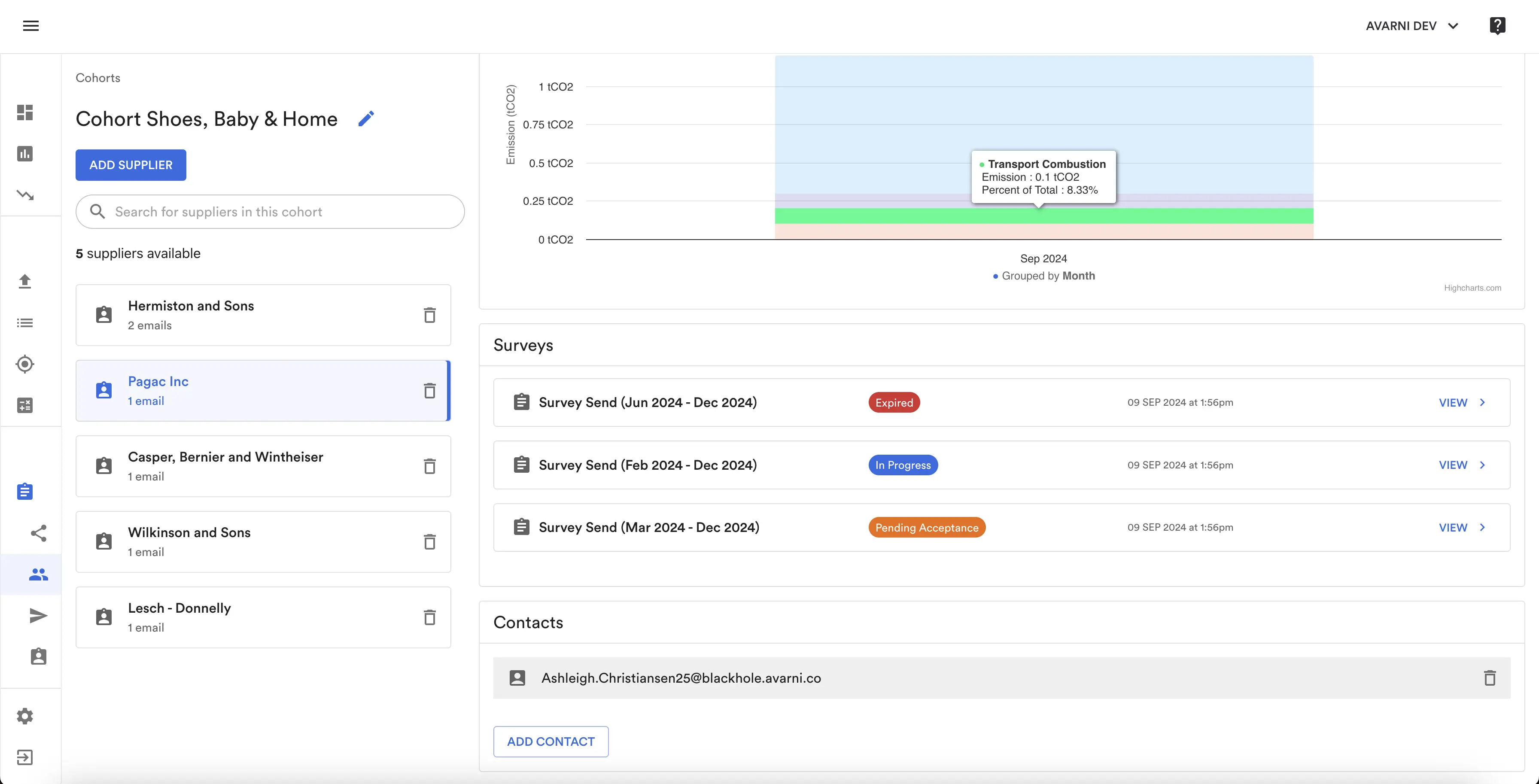
- Identify top emitting suppliers and segment them into cohorts, based on maturity and materiality.
- Build fully customisable surveys to collect activity data required for the product carbon footprint, and auto-calculate the associated emissions.
- Manage your supplier engagement program with progress tracking and reminders to suppliers, ensuring the program stays on track and no suppliers fall through the cracks.
- Review collected data and identify opportunities for reductions.
Contact us to learn more.