Transport and logistics sits at the centre of every supply chain, which makes it one of the most emissions-exposed sectors under the Australian Sustainability Reporting Standards (ASRS). Freight operators, 3PLs, warehousing and cold storage providers move goods across road, rail, sea and air, burning fuel at every stage and holding data across dozens of carriers, sites and subcontractors. For CFOs and finance leaders, ASRS turns that operational complexity into a reporting obligation with legal and financial consequences.
Transport and logistics businesses must disclose Scope 1, 2 and Scope 3 emissions, governance arrangements, climate risk assessments and transition plans under AASB S2. Fuel-burning assets put a large share of the footprint in Scope 1, while subcontracted freight and warehousing push significant volumes into Scope 3. This article covers what ASRS requires of the sector, where the reporting challenges sit, and how a carbon accounting platform like Avarni supports compliance.
What does ASRS require of transport and logistics operators?
The ASRS, developed by the Australian Accounting Standards Board and set out in AASB S2, mandates climate-related financial disclosures for large Australian entities. Operators captured by the standard must report material climate risks and opportunities, emissions across all three scopes, and the governance processes overseeing this work.
These disclosures sit alongside financial statements and face the same scrutiny from boards, auditors and investors. ASIC has signalled it will pursue greenwashing claims where emissions claims are not backed by verifiable data. For a sector that has often reported fuel and freight data informally, that raises the bar on data quality well above what voluntary reporting required.
Where do transport and logistics emissions actually sit?
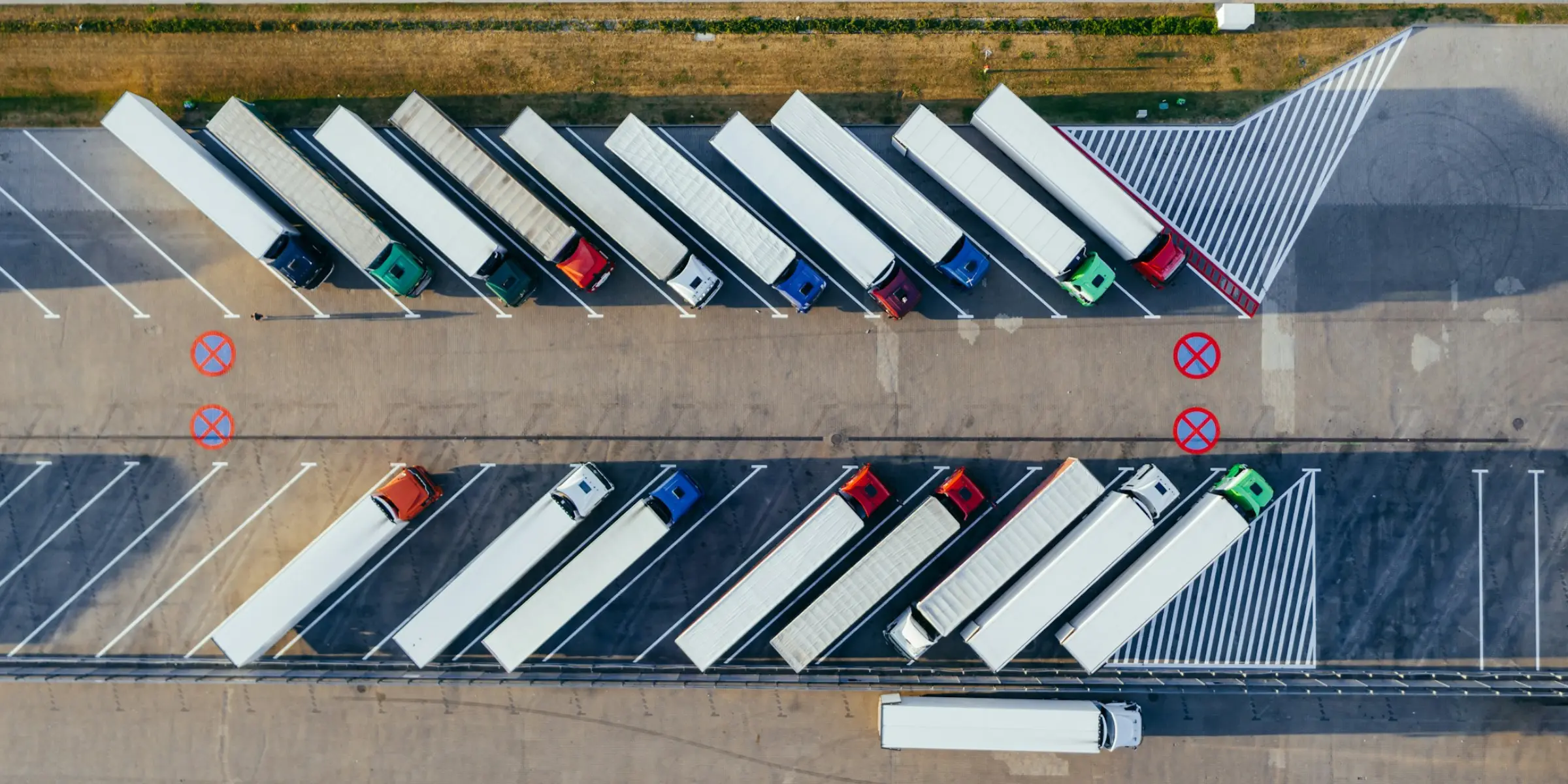
Fleet fuel is the largest source of direct emissions for most operators. Mixed fleets of trucks, vans, ships, aircraft and yard equipment run on diesel, petrol, marine fuel and increasingly electricity, each with its own emission factor and its own way of being recorded. Fuel cards, telematics and depot logs rarely line up, so building a single Scope 1 baseline across the fleet is harder than it looks.
Warehousing, distribution centres and cold storage add a second layer. Electricity, HVAC and refrigeration across a network of sites need to be tracked consistently, site by site, and refrigerant leakage from cold chain operations creates fugitive emissions that are easy to underreport. Left out, those emissions read as a control weakness rather than a minor omission.
Subcontracted freight sits underneath all of this. Most operators move a meaningful share of volume through contracted carriers and 3PLs, and those emissions land in Scope 3. Mapping the footprint accurately requires consistent data collection across owned assets, leased assets and third parties, reconciled against a defensible set of emission factors.
Why does subcontracted freight create the biggest data gap?
Carrier and subcontractor data is the hardest part of Scope 3 reporting for the sector. Volumes are spread across many carriers, freight forwarders and last-mile providers, often at lane or shipment level, and many smaller operators have limited capacity to measure or report their own emissions.
Manual approaches, such as spreadsheet templates and email requests, do not scale across a carrier base this size. They are slow, inconsistent, and leave gaps that get filled with estimates. The GHG Protocol's Scope 3 Standard expects companies to use the best available data and disclose the limitations of estimates, so gaps need to be identified and closed systematically.
Platforms like Avarni address this by engaging suppliers and carriers directly through structured, guided data requests aligned with the GHG Protocol. This consolidates fleet, freight and facility data into a single source of truth, closing gaps at scale rather than chasing individual carriers for one-off reports.
How can operators turn disclosure into commercial insight?
Emissions data is most valuable when it shapes network, fleet and procurement decisions. For transport and logistics, that means identifying which routes, modes, sites or carriers drive the largest share of emissions, then acting on that information.
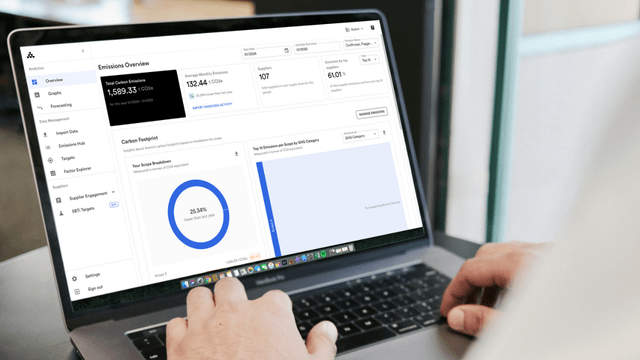
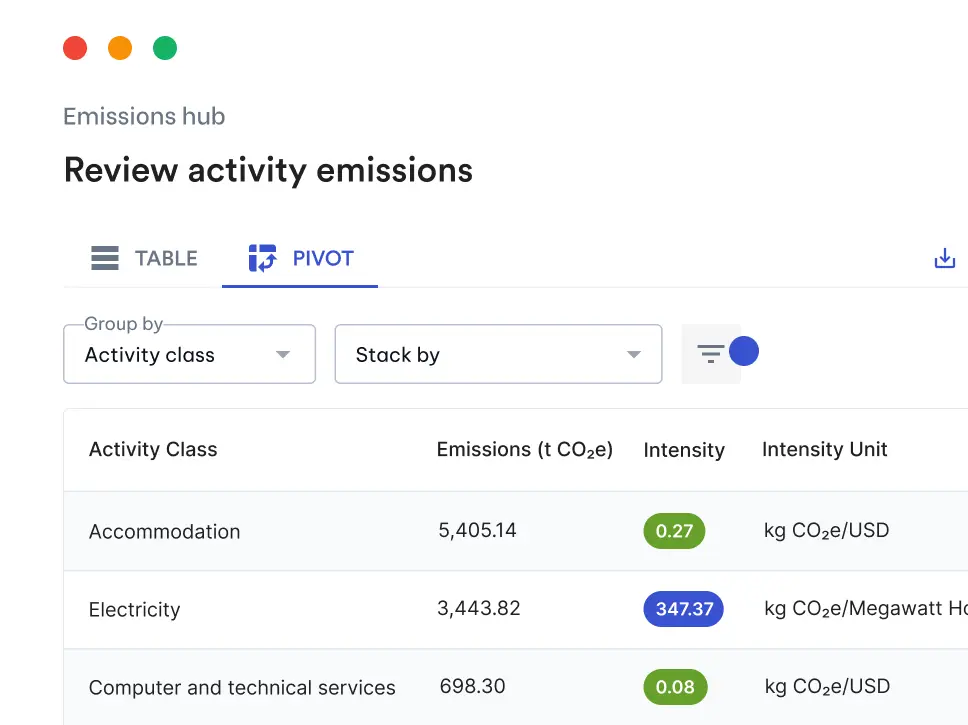
Avarni supports this by calculating emissions with AI, converting fuel and activity data into precise Scope 1 figures across every vehicle, vessel and piece of equipment, then mapping freight and facility data against current emission factors to surface hotspots across the network. From there, operators can model reduction scenarios, test fleet electrification and modal shift, and prioritise interventions based on impact.
This detail also feeds freight tenders. Shippers are increasingly asking carriers for emissions data to support their own Scope 3 reporting, so operators with credible, granular numbers can compete for low-carbon freight contracts on evidence rather than estimates.
How does enterprise scale affect ASRS reporting?
Many logistics groups operate across multiple business units, modes and geographies, sometimes with a mix of owned, leased and franchised operations. Each of these adds a reporting boundary that needs to be defined and consistently applied. An operator running its own fleet, contracted carriers and third-party warehousing needs one consistent methodology that holds across all three.
Avarni handles this through custom mapping and emission factors tailored to each part of the business, producing ASRS-aligned disclosures across governance, strategy, risk management, and metrics and targets, regardless of how the underlying operation is structured.
Why does audit-readiness matter now?
ASRS disclosures need to withstand scrutiny from regulators, auditors and increasingly the shippers who rely on them. Every input, assumption and calculation needs to be logged and traceable, not held in someone's head or buried in a spreadsheet formula.
This is where many operators currently fall short. Processes built for internal fuel tracking were not designed for audit. Avarni logs every input and assumption behind a calculation, giving finance and sustainability teams a defensible, audit-ready record as assurance requirements tighten over coming reporting cycles.
Learn more about Avarni for transport and logistics or talk to a specialist about your reporting obligations.
Frequently asked questions
Does ASRS apply to transport and logistics businesses?
Yes. Operators that meet the size thresholds under the Corporations Act, based on revenue, gross assets or employee numbers, must comply with AASB S2 climate disclosure requirements, regardless of industry.
What's the biggest Scope 3 challenge for logistics operators?
Collecting reliable emissions data from subcontracted carriers and 3PLs. Most smaller carriers lack the systems to report emissions on their own, which is why structured carrier engagement matters more than the calculation method itself.
How are fleet emissions reported under ASRS?
Fuel burned by owned and leased vehicles, vessels and equipment is reported as Scope 1. Electricity for depots and warehouses is Scope 2, and subcontracted freight is Scope 3. Each needs a consistent method and defensible emission factors.
What happens if an operator's disclosures aren't audit-ready?
Reporting entities risk failing assurance, regulatory action from ASIC, and reputational damage from greenwashing claims. AASB S2 disclosures sit alongside financial statements and are scrutinised the same way.
Summary
- ASRS applies fully to transport and logistics: operators must disclose Scope 1, 2 and 3 emissions, governance arrangements and transition plans, with the same scrutiny applied to financial statements.
- Fleet fuel dominates direct emissions: mixed fleets across road, rail, sea and air run on multiple fuel types recorded inconsistently, making a single Scope 1 baseline hard to build.
- Warehousing and cold storage add operational complexity: electricity, HVAC and refrigerant leakage across a site network need consistent, site-level tracking to avoid underreporting.
- Subcontracted freight is the biggest data gap: manual collection does not scale across many carriers, and platforms like Avarni close gaps through structured, GHG Protocol-aligned data requests.
- Data should drive commercial decisions: hotspot analysis across routes, modes, sites and carriers supports network optimisation and low-carbon freight tenders.
- Enterprise scale needs a consistent methodology: owned, leased and third-party operations across modes and geographies require tailored mapping to produce coherent ASRS disclosures.
- Audit-readiness is now baseline: every input and assumption needs to be logged and traceable to withstand regulator, auditor and shipper scrutiny.