MITO (Marubeni-Itochu Tubulars Oceania) is a Group 3 reporter under Australia’s mandatory climate disclosure regime (AASB S2), so it isn’t required to report yet. It’s preparing anyway.
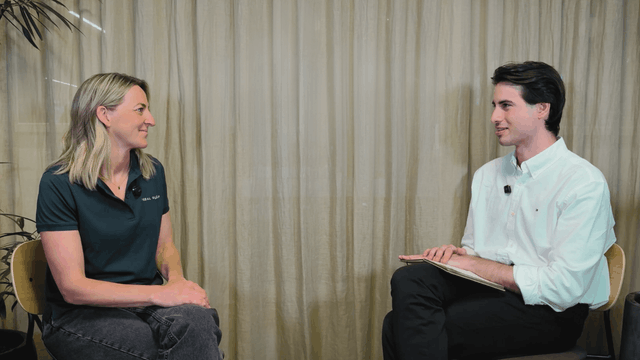
In this conversation, filmed at MITO’s Perth office, Avarni co-founder and co-CEO Misha Cajic sits down with Jack Duffy, MITO’s Head of Finance. They talk about why the business started early and how a finance team with no in-house sustainability expertise now has numbers it can stand behind.
As part of the Marubeni-Itochu Steel group, MITO already had to send emissions data to its overseas parent company, and its Group 1 customers were asking for numbers too. That meant typing emissions figures from invoices into the accounting system by hand and tallying them in spreadsheets. On top of that, MITO’s year-end and audit window is only a few days long.
In this interview, Jack covers:
- Why sustainability reporting ended up with the finance team
- The limits of manual spreadsheets and one-off consultant baselines
- What MITO looked for in a partner: expertise, software, and support that doesn’t depend on one person
- Going from “we don’t know what we don’t know” to a clear reporting boundary, methodology and FY emissions number
- How a single accountant now manages the process, with no new hires
- The benefits beyond compliance: measuring the impact of solar projects, seeing resource use across sites, and finding chances to consolidate
- Why early audit feedback means fewer surprises when mandatory reporting begins
- His advice for other Group 3 companies on when and how to start
We've embedded the full transcript and video interview below. Short on time? We've also put together a cutback version if you'd prefer the highlights.
Misha: Thanks for joining me today. Could you just give me a bit of an introduction about yourself and your role?
Jack: I'm the Head of Finance here at MITO. Been with MITO almost 10 years now looking after the finance function and as part of that been involved in sort of sustainability conversations across the business as well. But finance is my primary role for sure.
Misha: Awesome. And yeah, sustainability, it's obviously kind of a new concept for a lot of people particularly in a similar position to you, right? Finance background, obviously sizeable organisation, but you wouldn't have that kind of expertise internally. So, how did this land on your plate and what's the context of what got you engaged with sustainability in the first place?
Jack: Good question. So we've never had really many expertise within the business with regards to sustainability. For quite a few years now we've had to provide some emissions data to our parent company. So that sort of was a starting point for us and that fell to finance because we recorded things in our accounting system. So we were always responsible for that. And then of course with the new accounting standards it also made a lot of sense for those to be covered by the finance team of course. And so as we've sort of learned more about those, the team's become more and more involved and of course it now is all sitting with us.
Misha: Remind me, in terms of size, what group do you fall under?
Jack: We'll be Group 3 from a reporting point of view. So still not mandatory for us yet, but we're certainly preparing well in advance to make sure we're ready.
Misha: I think one of the key reasons was because you had that reporting requirement to your overseas parent company. So there was obviously that, and it sounds like that would have been something you were managing internally for a while, but now with the new standards coming in it kind of piled on a similar requirement but to a different stakeholder. What triggered seeking a partner to help you out with it?
Jack: Yeah. So you're right. So we were doing our best historically to report to our parent company and what we've sort of found over the last few years the focus from them is becoming more and more demanding in some ways but also there's been additional focus from our customers in particular. So our customers would be Group 1 companies under the standard but even before the mandatory standard there was more emphasis from them on us giving them numbers. So, as part of our sort of internal discussion with the standard coming up, we thought, well, we can see value in being ahead of where we need to be to be able to provide proper numbers to our parent company, to be able to provide proper numbers to our customers, and to help sort of strengthen that relationship. And so we decided there's no downside to sort of getting things started early. We could have faith in some of the things we were doing before that, but the completeness certainly was… there was no real confidence in that. We needed to figure out some ways we could make sure our data was really good, we were doing it the right way and that ultimately down the track it will be, you know, acceptable as far as the standard goes as well.
Misha: What did you try before you started to look for someone to help you out?
Jack: Initially all we used to do was as we would receive our invoices into our inbox, we actually used to manually just type the emissions into the description and we would run reports on those accounts and we would just manually create a spreadsheet and tally them up. Then we got a little bit more advanced and we created a field for the emissions and we would be able to export those. And that was basically about as good as we could do. So that was only on things that actually had a physical emission number on an invoice that we received and that's about it. That was our process a couple of years ago.
Misha: And so following on from that, where you're putting the numbers directly into your system, aggregating it, obviously a manual process, what made you reconsider the merits of that approach when it comes to actually doing it in an audit-ready setting?
Jack: So when we're reviewing we don't have any internal expertise, right? So nothing. So we're just trying to do as good a job as we can with our very limited knowledge. And on our reporting for our parent company, it's fine to say, you know, we've used this many litres or we've used this, you know, this many kilowatts or whatever.
But from a more complete sort of point of view, we needed to understand, what's the methodology? How do we ensure that we have captured everything? We don't know what our boundary is necessarily. We don't know what we don't know and so we really needed to have a little bit more confidence in that regard for parent company reporting, for customer reporting, but then to prepare for the standard in the future as well.
So we sort of determined we didn't really have the expertise here and even if we did, the manual record-keeping is probably not the best way to do it. So that sort of prompted us to have a discussion about what we wanted to do moving forward.
Misha: Did you explore working with a consultant to just get the job done for you?
Jack: Funnily enough, we did do that back in like 2019 or 2018. Initially, before we knew about the standard or anything, it was like, okay, how do we get a baseline measure of everything? And that was okay, but it was not a finance-led process. And we needed to think about what's the best way for this to be sustainable, so that we can replicate this process moving forward and that we have good support behind us as well and we have some assurance that what we're doing is correct. And so we thought we wanted something that was a long-term partnership and would give us really good confidence, I suppose, moving forward.
Misha: It sounds like it was important then for you to have somebody to work with that folded it into your regular finance processes because you didn't have someone who was specialised in this, right?
Jack: Definitely. Absolutely. So we needed that to happen. We needed to have a really good process that we could fit into our year-end process. So, our year-end deadline, our annual reporting deadline is super short. And so, we really needed to be able to make sure that this process was going to be able to be done in a way that it could be audited, etc. within the very short time frames that we have. So, we were very mindful of that and we really needed to make sure that that could happen. And so we need some control over when these things can be done because as soon as we basically finish year-end, we want to be able to put whatever data we need to into whatever system that we needed to and make sure it could generate what we wanted to be able to then do the next steps in the process. So that was a big consideration for us. You know, we don't have the luxury of being able to wait months and months after we finish year-end to then spend lots of time to get this ready. It needs to be something that we can do really quickly, with some support, but that we can handle the actual year-end part of it ourselves.
Misha: Tell me more about like what actually puts you in that unique situation where it's a really short deadline and perhaps then also it'll be good to understand even without this what did that look like? What do those pressures look like during that year-end that's such that's such a short time period?
Jack: So we're part of the Marubeni-Itochu Steel group. So we're all the way over here in Australia. We have a parent company in Singapore and they report ultimately to Japan who then report to their two separate entities again. So we're right down the bottom of the line.
And so working backwards from when they have to report, it basically leaves us with a few days really to do our year-end process. And then as soon as we finish year-end, we have to do our audit straight away. And so those things are always very challenging for us from a financial point of view. So then when we start to think about, not only are we going to have to have our financial numbers in an annual report but we're going to have to do more than that, it creates quite a bit of stress as you can imagine to try and think about how are we going to achieve all of this? And so those tight deadlines even just from a financial reporting point of view are really tricky and our auditors always have you know standard questions around when you're doing something in that short time frame. How can you be sure everything's been done correctly? And so we can sort of see that’s going to be the case again with this. And so we were determined to try and put a plan in place that helps us achieve what we need to.
Misha: I suppose you probably have to be pulling potentially some all-nighters or some late nights on those days. And how big is your team actually? How many people are actually contributing to that process from your end, even without this?
Jack: The finance team itself, there's 10 of us at the moment. But I would say half of those team members work in accounts payable, accounts receivable. So as far as the year-end work goes, for example, month end, there's only a handful of us that are working on those particular tasks. We're already stretched as thin as we can just to achieve what we need to achieve from a financial point of view.
So it's always very challenging and then to think well now we’ve got to do this new thing which we don't have any knowledge about, no expertise. How are we going to be able to do that? It's a big challenge and we have to try and figure it out and we're still working on that but we're making good progress which is good.
Misha: So I guess with that context then obviously these new standards are coming in. You're already needing to report to Japan. You already have clients that are asking you for this information. So all of that coalescing into okay we need to have somebody help us with this. Talk me through how you went through the evaluation process and then ultimately what gave you confidence that Avarni was the right partner.
Jack: Yeah, we kickstarted basically in a management meeting here, right? We basically presented the challenges that we've just discussed with management. What do we want to do? We decided that we would need to get moving on it and we need to start to adopt early I suppose. So then, well, what are the next steps from there? Well, who can help us?
So we did a little bit of research. We looked at a number of different providers and we sort of thought about well what's the most important thing for MITO? The most important thing we determined was we needed the expertise, right? So, we don't have the expertise in-house. We needed someone who could help us with that, but we needed a system. We needed someone who could provide a system who could help us use that system. And we really wanted someone who could provide us with really good support. Like I said, we're working with short time frames. And we want to make sure that we didn't rely on one person. Like if someone left MITO and had all that knowledge and knew everything two weeks before the end of the year or something, that's too big of a risk for us to take.
So, we went through sort of all those checkpoints and we tried to figure out well who or which partner would suit us the best and Avarni stood out to us in terms of it ticked all the boxes. We had software that we could use. We had great support that was going to be provided and obviously the expertise was there as well. So it just made sense for us to go down that path.
Avarni stood out to us in terms of it ticked all the boxes. We had software that we could use. We had great support that was going to be provided and obviously the expertise was there as well. So it just made sense for us to go down that path.
Misha: So we've been working together for about a year now and talk to me about what your practical experience has been with Avarni. How has the implementation, the support process and the software helped you to achieve solving the problems that you were talking about?
Jack: You know one of the best things that we sort of discussed early on is basically MITO doesn't know anything right, nothing. So we're starting from scratch and so we had great support from the start in terms of even just assessing, what's our boundary, right? And what does it mean to sort of be able to measure emissions? And what kind of emissions do you have and how can we make sure we're capturing them all? And so it was really a thorough process of going from nothing to at least understanding the starting point.
So we had a RACI chart that we used so we knew who was responsible for what, was really clear on who needed to provide what information. So what MITO would provide, what Avarni would provide and we went through basically our whole operation to determine well this is what we need to include. So we didn't know all of those things before that. So that really helped us make sure we were confident in what we were then starting to work on.
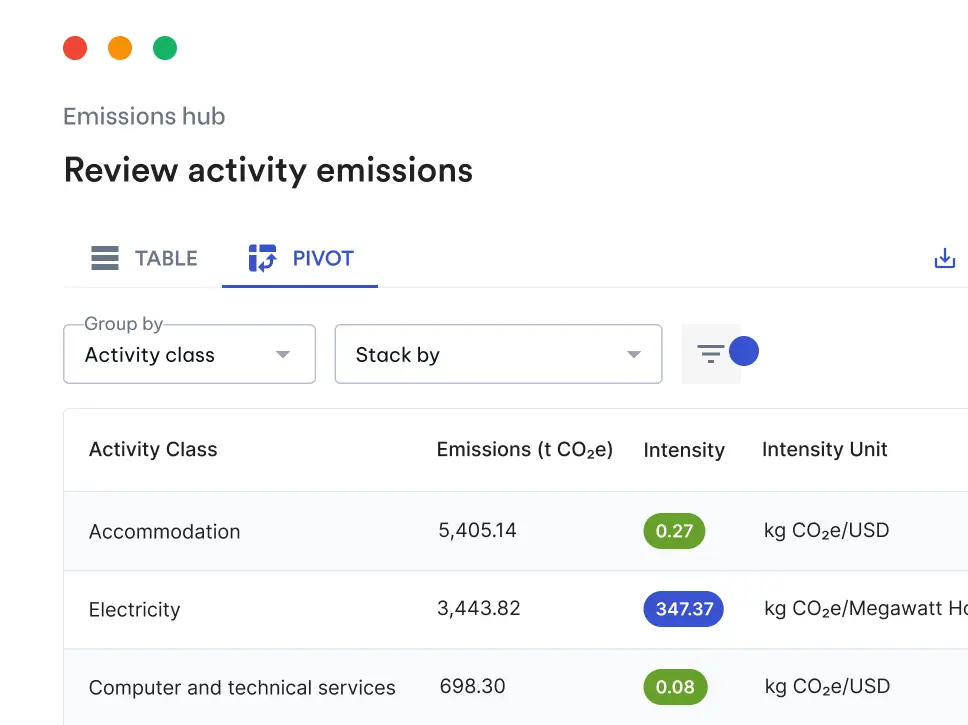
And the software has been great. We've been able to download things from our accounting system, just upload them. The review process has been really good. We've had obviously some assistance going through that process. So, it's all been really user-friendly and we've managed to be able to do that with our current resources, right, without adding anyone, which has been a big achievement.
You know, really Avarni was able to walk us through, from basically knowing nothing except our little spreadsheets that we had, all the way through to be able to provide a number for last financial year that we understood. We knew where it was coming from and we understood what made that up. So, that was really beneficial for us.
Avarni was able to walk us through, from basically knowing nothing except our little spreadsheets that we had, all the way through to be able to provide a number for last financial year that we understood. We knew where it was coming from and we understood what made that up. So, that was really beneficial for us.
Misha: One thing that's noteworthy is one of the key contributors was, you know, just one of your accountants that was putting the information in and reviewing it, right? So you were able to, as you mentioned, achieve that goal without getting an extra resource that had specialised knowledge in sustainability, right?
Jack: Yeah, absolutely. That was our biggest concern. Obviously, we didn't know anything and where are we going to get our knowledge from? Can an accountant do it? And with Avarni, they've been able to. Basically, it's just been that one person almost uploading the data, reviewing the data, making sure everything looks good.
And once again, as I mentioned before, we wanted to make sure if that person leaves that we don't lose all the knowledge that they have. And so, I feel really confident now if that person for whatever reason had to leave the business, someone else could step in and pick up where they started with all the information that we've already done, all the documentation, same use of the system obviously. So, we feel like we're in a really good position now to be able to comply regardless of who it is in our team or if they leave or not.
Misha: So it sounds like you're going to be really confident going into the first audit when it comes around from a compliance perspective, you'll have everything you need. Talk to me a little bit more about what secondary benefits do you expect you're going to get out of tracking essentially, what is your resource consumption on Avarni now?
Jack: Yeah so I can see lots of benefits, the first one is just being able to provide great assurance to our parent company and to our customers that what we're doing is correct and we can provide them accurate information and information that we know is good and that helps us build those relationships particularly with our customers.
But I also think, you know, we, even though we don't know or we haven't historically known that much about our emissions, we have tried to put in place some projects that help. Like we've put solar panels in our yards for example, or we've got a power cube there, which is solar as well. And so we sort of feel like being able to now measure the impact of those things is really a nice thing to be able to share with the company. It makes people feel good and they can really see some of these ideas that they've had what difference they're making as far as our emissions go. And I think that's really important because we can say, oh we've gone and installed solar over here and look how great we are, but when the people that are working in that yard can actually see the difference that it's making and management can see the difference I think that's a nice benefit for the company to feel like we're making some good decisions and those decisions are having an impact which is good.
Misha: Yeah, of course that's going to have a great positive impact on your emissions, but do you also feel like there's going to be some financial benefits from having that visibility into your resource consumption that's required to track for emissions?
Jack: Certainly we've never reviewed anything like this before, right? We wouldn't say it's disjointed, but we have lots of different locations and they're all doing their own thing and to actually be able to review those with a big picture view in mind, I suppose, has been really helpful for us and allows us to make better long-term decisions as well.
Also, from a financial point of view, there might be things we can consolidate or other options out there that we can explore as a result of this. So I certainly think there'll be other benefits not just the emissions benefits.
Misha: So obviously you've started this process quite early because of the reasons that we've spoken about but you're a Group 3 and you've gotten very comfortable with this process now from a position of quite high uncertainty. What advice would you give to peers that might ask you, how do I begin tackling this?
Jack: We have two sister companies here in Australia and we're discussing this with them all the time. It's a really interesting discussion trying to figure out, when do you start and even how do you start?
So my advice to them is, obviously you have to weigh up so many factors in terms of resources and cost and everything like that and what position you're in at that particular time. But I think we've seen great benefits from starting early, just to understand what you need to do to comply with the standard, even practically has been really useful and so I've encouraged them to do their research in terms of, have they discussed it with their management team, have they got any sort of plan around okay, maybe you're not wanting to start on September 2026 but when would you like to start, what does that process look like?
I think that for Group 3 companies that's the biggest challenge. We don't have a ton of resources. We don't have much expertise in this area. I'm generalising a little bit here. So that's okay. We know we need to start. So what's the plan? So from my point of view, we've learned so much already and starting early has allowed us to not rush. So, we've been able to work through the process in a really nice sort of time frame. And if something's come up, it hasn't meant that we've had to work, you know, 24 hours a day for a month or something to be able to get to the point where we need to be.
So, yeah, speaking to peers who are in a similar position to us, if I had to give them some advice, it would just be you need to at least be starting your investigating process now, understanding what's out there. What do you think you can do yourself? What do you think you're going to need help with and figuring out how much that's going to cost, how much time that's going to take up and then you can put a nice sort of plan in place for, you know, in a week's time or in a year's time, depending on when you want to start.
Misha: One thing that would be good to understand is just in terms of like working with Avarni, what kind of costs do you expect you saved or time did you save or you know understanding some sort of quantification of the benefit that you've gotten from working with us? Could you tell us a little more about that?
Jack: I think as far as like cost saving goes, certainly we would have had to hire some people. So straight away if you think about even one full-time staff member, that's quite a considerable cost. So certainly we've seen cost savings just based on that fact. But even just small things like I mentioned before, we were typing in our emission data into D365, we don't have to do that anymore. That's a small time saving but it's a good time and cost saving for us as well. So there's benefits to complying with the standard, but then there's benefits to using Avarni in terms of making sure that you're doing it in a cost-effective manner.
From my point of view, the biggest cost saving is we're not having to go and hire experts in this area to work with us full-time. Then like I said, my biggest concern with that was these people are going to be in demand. We're a Group 3 company. What happens if they leave and we're back to square one again? So certainly I see that as the biggest cost saving.
The biggest cost saving is we're not having to go and hire experts in this area to work with us full-time. ...These people are going to be in demand. We're a Group 3 company. What happens if they leave and we're back to square one again? So certainly I see that as the biggest cost saving.
Misha: What do you feel like now you're most confident about going into audit? That you can confidently stand in front of your auditors and tell them, that you feel like you wouldn't have been able to a year ago?
Jack: As far as the audit goes, we feel really confident in making sure we know our boundary. So that's the main thing. We know our emissions, we know the methodology that we've used, and we're really confident in the way that we've gone about doing that. So we feel like we can present to them something that tells the story of MITO from an emissions standpoint. And we couldn't have done that a year ago. That's for sure. And we feel confident moving forward that once the time comes to sort of actually have a proper report completed that we'll be able to be ready for that well in advance. And that will make our audit process a lot more straightforward than what we imagined it was going to be even a year or so ago.
As far as the audit goes, we feel really confident in making sure we know our boundary. So that's the main thing. We know our emissions, we know the methodology that we've used, and we're really confident in the way that we've gone about doing that. So we feel like we can present to them something that tells the story of MITO from an emissions standpoint. And we couldn't have done that a year ago.
Misha: What did you imagine it was going to be?
Jack: A total disaster, in some ways. Because as I mentioned before, we have a short time frame so we always struggle even just to get our financials into the annual report on time. These things are foreign concepts in some ways to a company like ours: strategy or governance or climate risk and opportunities. We don't even know what those things are with regards to emissions. How are we supposed to learn these things? How are we supposed to put them into a report? And how are we supposed to do it in such a short time frame? So, we were very worried about that. Whereas now, I feel really confident that we'll be able to do that no problem, because we have a good partner, but we've also done now this work up front that gives us some reassurance that we're on the right track.
Misha: That must feel relieving to be able to have that confidence early on and to get some feedback from your auditors as well early on. Show them that you're thinking about this early and that you're trying to get it right and you expect that that's going to potentially result in cost savings once you actually get to that audit as well. Reduce the back and forth.
Jack: Yep, definitely. Being able to have these numbers audited now gives us great confidence that what we're doing is correct, but it also gives the auditor confidence that we know what we're doing. They have a bit more capacity at the moment to be able to review and do those things. Whereas when it comes to the actual audit when the actual standard comes in, that audit time frame is so short and we want to make their lives as easy as possible and our lives as easy as possible at that point in time. And so I feel really confident that we're going to be able to do that.
Misha: How would you describe Avarni in one sentence if someone were to ask you?
Jack: Avarni is almost like our Chief Sustainability Officer. That's how I think of Avarni. Maybe I've gone over one sentence, but they basically do everything that we would expect someone like that to do. Plus, they come with software and plus they're not going anywhere. So, it really gives us great confidence that they're basically our outsourced Chief Sustainability Officer.
Avarni is almost like our Chief Sustainability Officer. ...They basically do everything that we would expect someone like that to do. Plus, they come with software and plus they're not going anywhere.
Misha: Well, thanks Jack. It was really nice to speak to you today and thanks for having us at your offices here in Perth and yeah looking forward to working with you more in the future.
Jack: Great. Thank you very much.